Nation’s highest recognition for nursing excellence
Announcements
Please review our visitor guidelines before visiting this location. Keeping everyone safe is our top priority. We appreciate your support of our efforts.
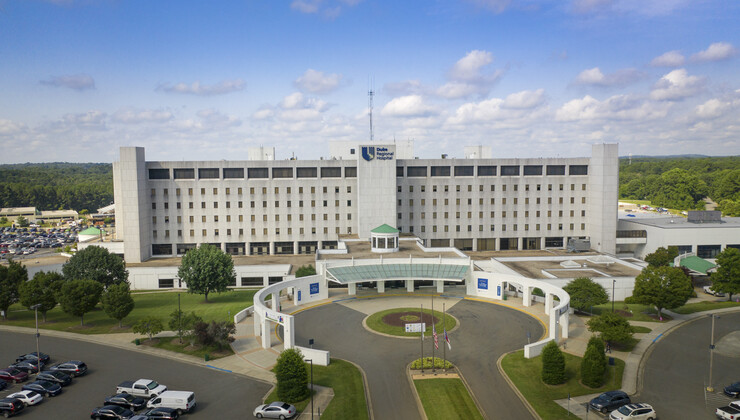
Duke Regional Hospital
Open
Type:Hospital
As a Duke Health hospital, we provide exceptional health care with the personal touch and convenience found at a community hospital.
3643 N Roxboro St
Durham,
NC
27704-2702
General Information
919-470-4000
3643 N Roxboro St
Durham,
NC
27704-2702
General Information
919-470-4000
About Duke Regional Hospital
Understand our mission and vision, and learn why Duke Regional Hospital is ranked one of North Carolina’s best hospitals.

Our Specialties
Our experienced, compassionate medical professionals deliver a comprehensive range of diagnostic, medical and surgical services in these specialties and more.
- Bariatric Surgery
- Cancer Care
- Cardiology and Heart Surgery
- Obstetrics and Gynecology
- Ophthalmology
- Orthopaedic Care
- Psychiatry
- Vascular Disease


Our Doctors
Find a doctor that’s right for you or your loved ones.
If you are a referring physician or health care professional, we can help you find the right people, programs, and services for your patients.